Explore 66 traditional Perler bead patterns inspired by lion dance, Dunhuang art, koi, shadow puppets, ceremonial ornaments and classic motifs. Each chart can be opened at full resolution for practical building.
View traditional patterns
The first 24 charts load immediately. Continue to browse all 66 patterns.
Featured traditional Perler bead patterns
Open a full chart to inspect its silhouette, borders and color blocks before building.
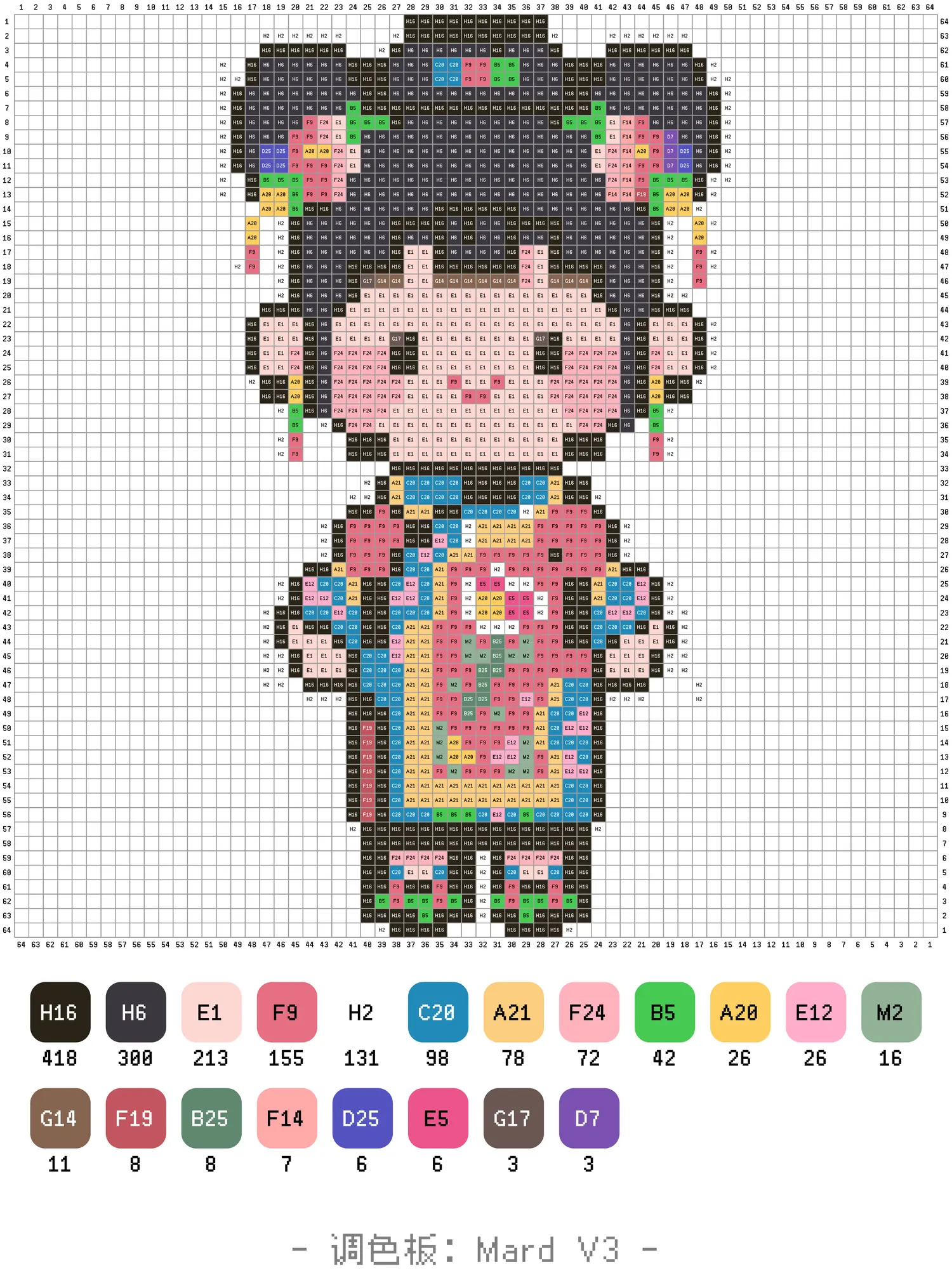
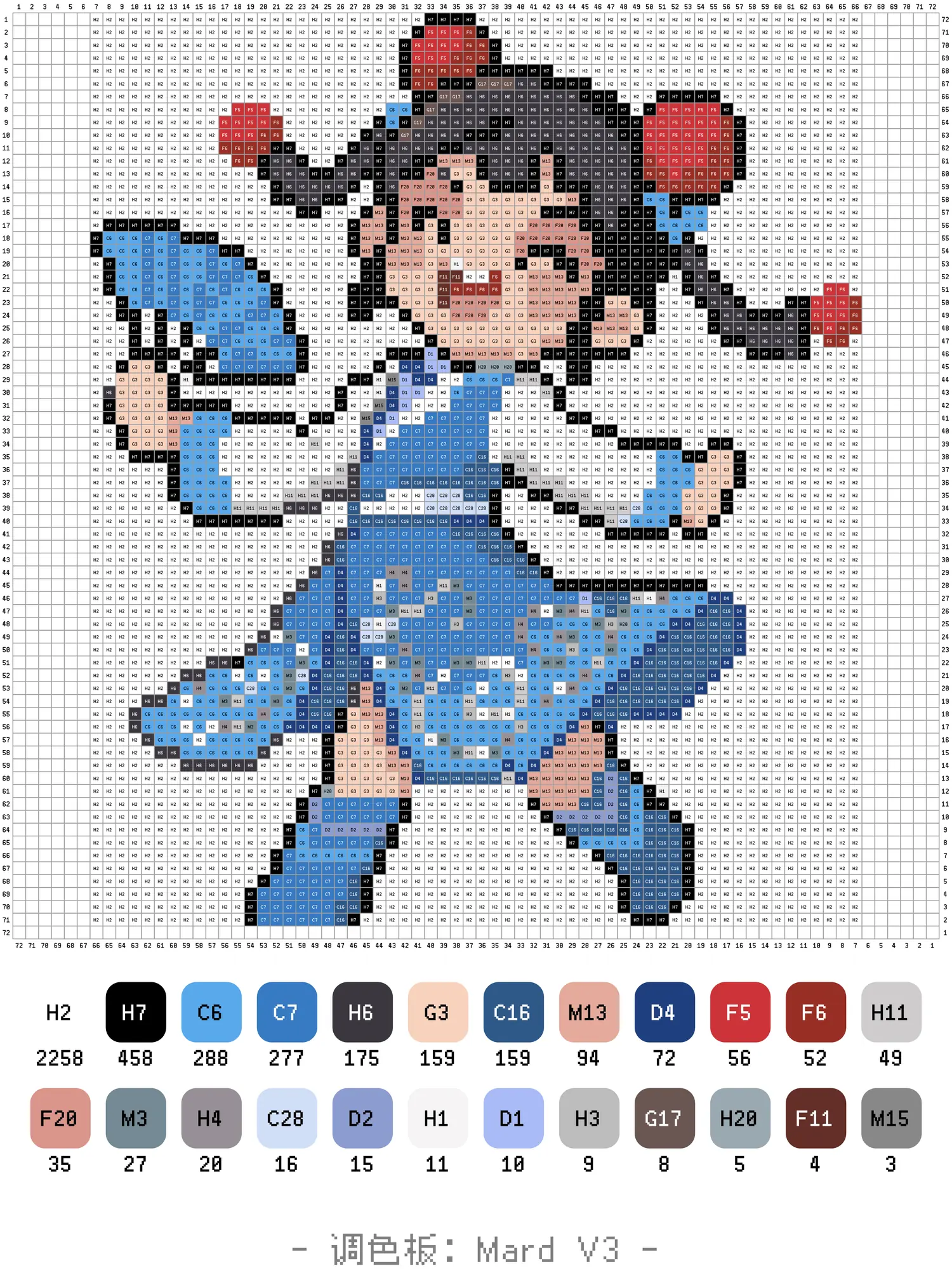
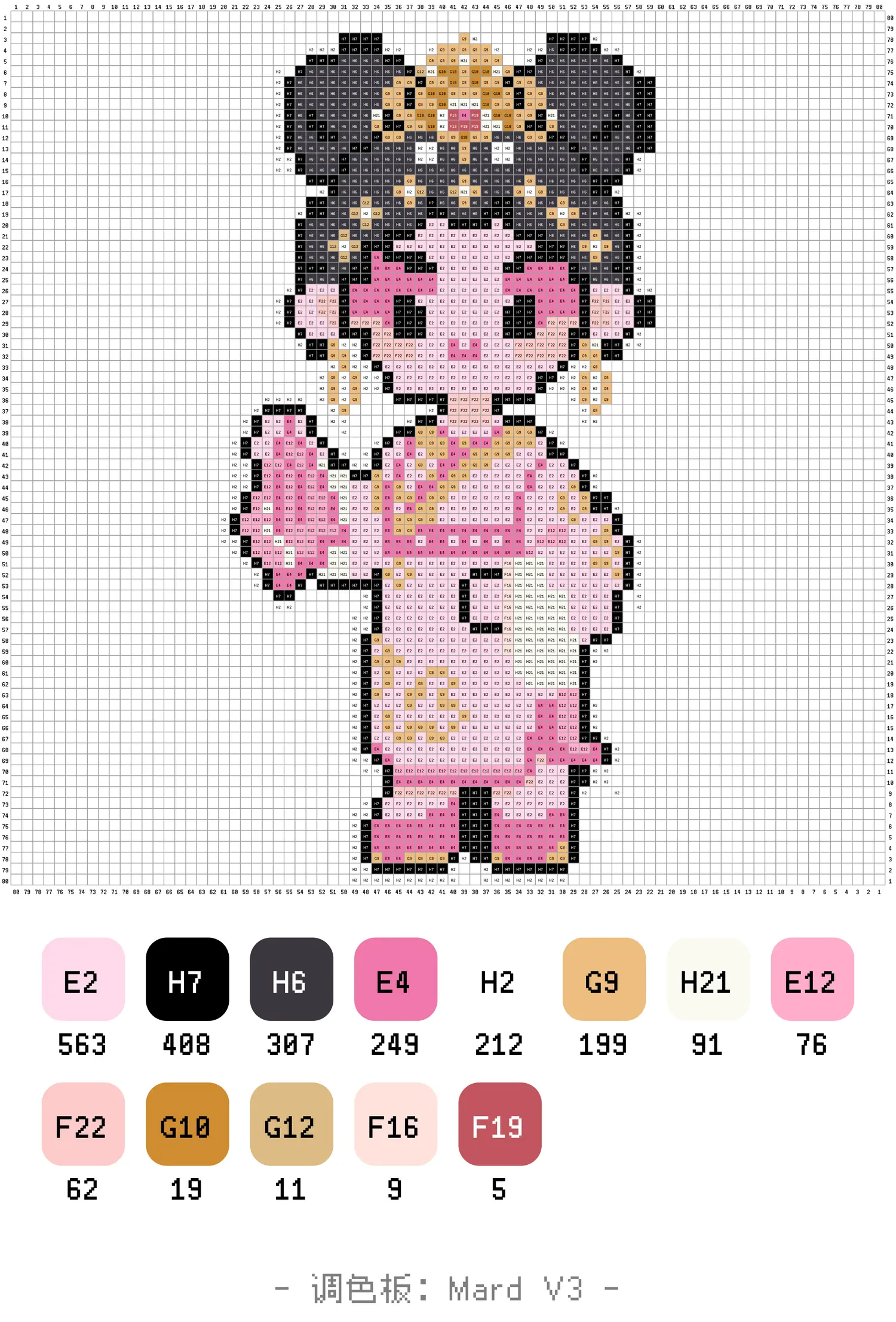
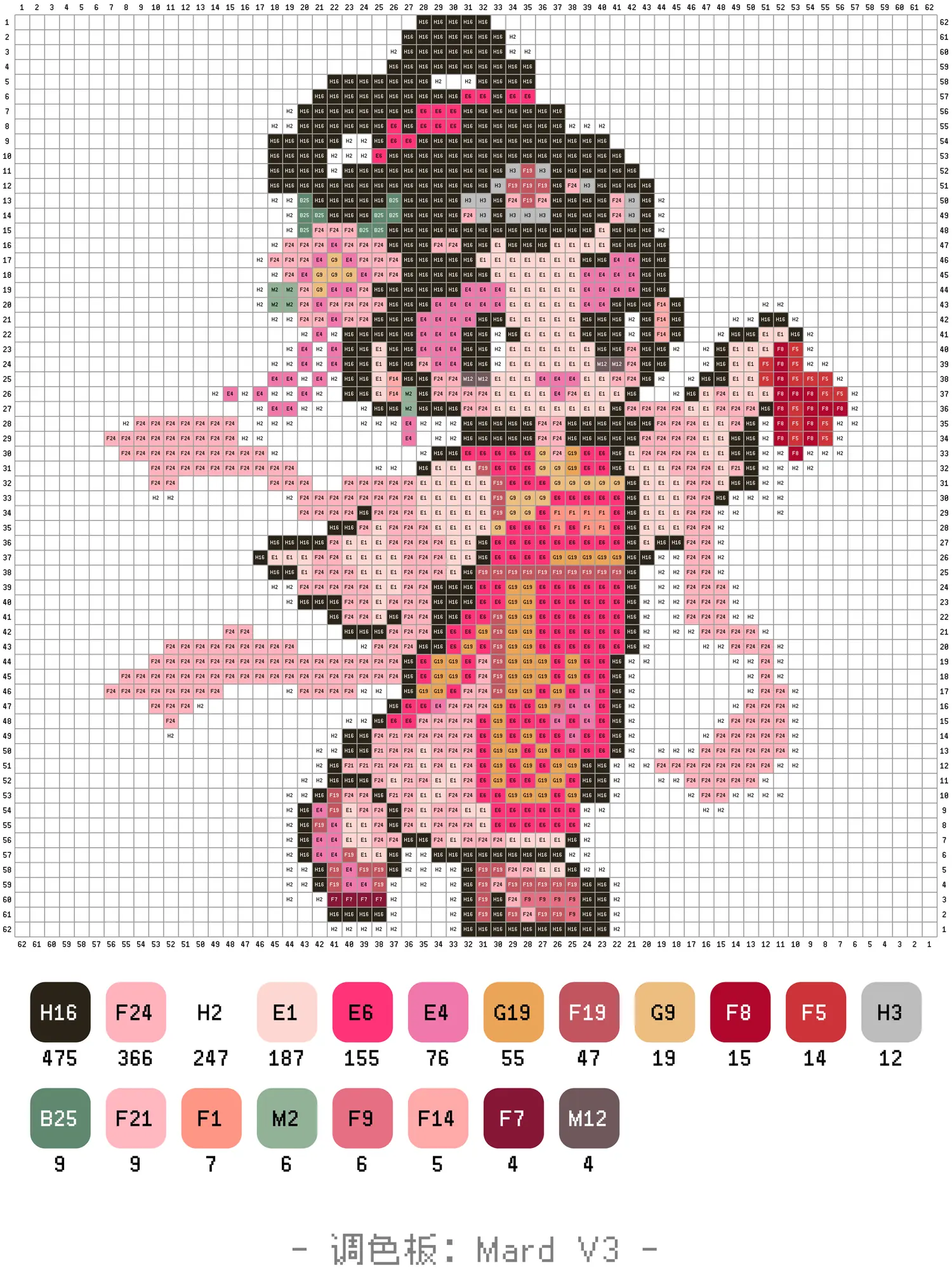
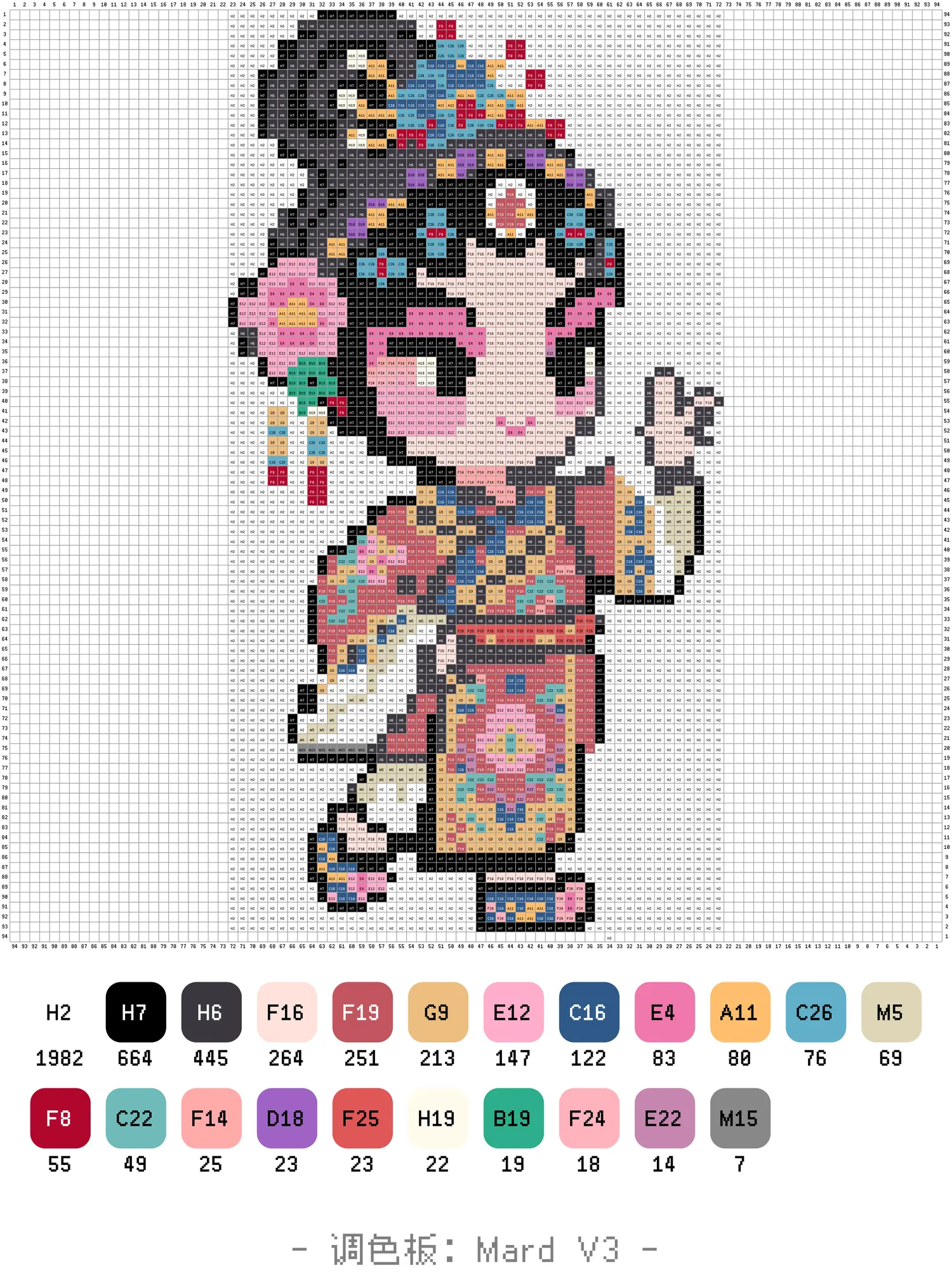
How to keep a traditional design recognizable
Start with the central symbol
The face, emblem, animal silhouette or ceremonial shape should remain readable before ornamental details are added.
Preserve the defining palette
Keep the strongest red, gold, turquoise or ink-like contrast, then merge shades that do not change the main structure.
Simplify repeated borders
Turn thin curves and dense motifs into regular pixel rhythms instead of copying every painted line.
Match size to detail
Small symbols work at 32–48 beads wide; layered costumes and decorative scenes usually need 60 beads or more.
Color and building order for traditional patterns
- Place the outer silhouette first: confirm symmetry and reinforce narrow connections before filling details.
- Build from dominant colors: place the main red, gold, blue or dark blocks, then add secondary ornament colors.
- Check repeated motifs: compare each border segment and row before ironing so small alignment errors do not multiply.
Traditional Perler bead pattern questions
Are these traditional Perler bead patterns free?
Yes. You can view every full-resolution chart for free and use it for personal craft projects.
How many colors work well for a traditional motif?
Small symbols often need 6–12 colors; larger decorative pieces can use 12–20 while keeping the main contrast clear.
How do I keep fine traditional details readable?
Keep the main silhouette, central symbol and strongest contrast, then simplify repeated borders and tiny ornaments.
What size should I use?
Use 32–48 beads wide for charms and 60 beads or more for layered costumes and detailed decorative art.
Turn your own traditional artwork into a chart
Crop around the main subject and create a printable pattern with color codes, coordinates and bead counts.
Make a custom pattern